Table of Content
Please note that the pressure reading on your pressure gauge will depend on the time of the day you are taking it. When you measure the water pressure when there is a high water demand in your area, of course you will record a lower reading. If your toilets are always running and the flapper is not the problem, the fill valve is defective. The toilet fill valve is connected to the water supply line and fills the toilet tank after each flush.
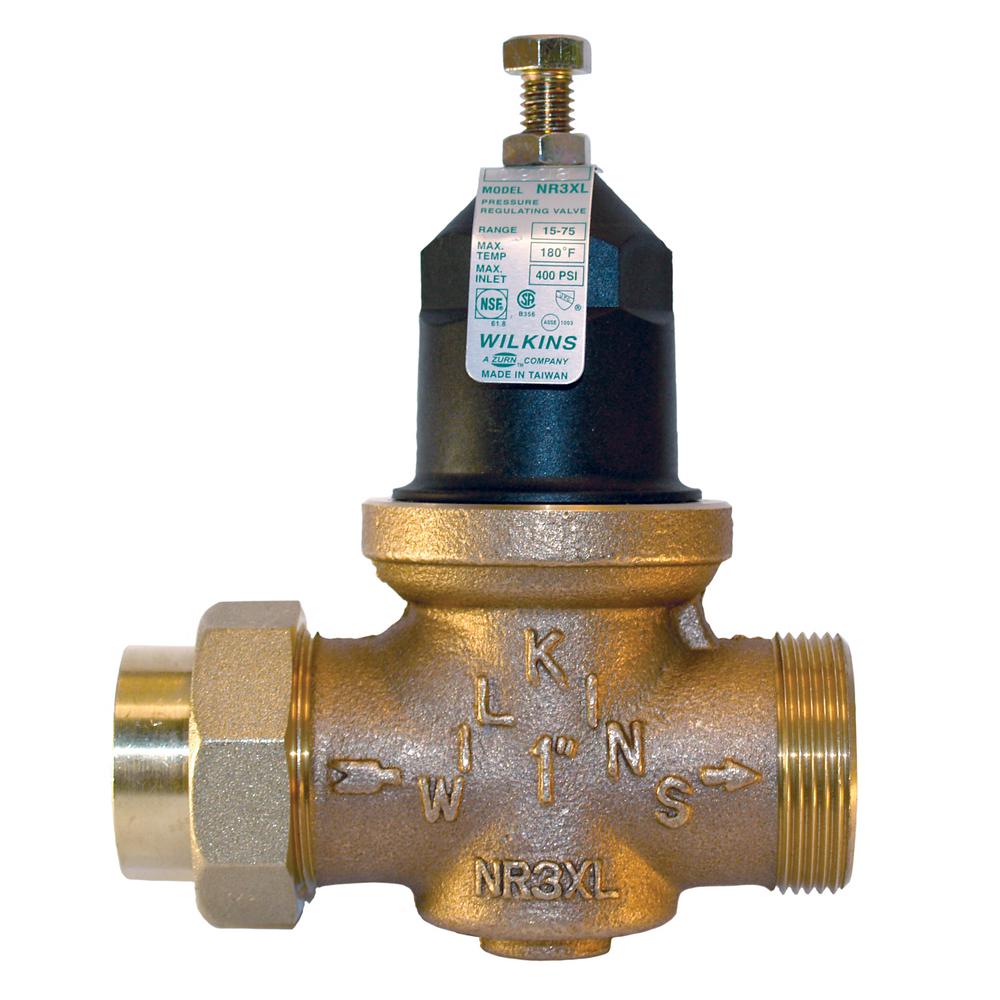
First, find the valve that controls the water supply by checking in your basement or crawl space. Turn the handle so that it’s perpendicular to the pipes on either side of it; this will turn off the valve. Using the steps detailed above, adjust your new regulator to the desired water pressure. The regulator is typically installed right after the water enters the home, near the water main. Purchase your new one with as close to the same specifications so you can use the connections that are already in place. Go to the water main and slowly turn the main water valve back on.
What Are the Benefits of Having a Water Pressure Regulator?
Be sure your water pressure stays within the optimal psi to avoid any damages to your home. The rim jets are the small holes placed underneath the toilet rim that let water from the tank pour into the bowl. They can become clogged with dirt and debris, limiting the water flowing into the bowl and leaving unclean content. If you look at the wall beside the toilet, there is a water valve nearby made for turning on and off the water flow to your toilet. Having the right water pressure in your home is important for the proper functioning of your plumbing system and appliances.
If you’ve adjusted your water pressure regulator and it fluctuates, drops, or raises on its own, call a plumber to come out and take a look. Or, maybe the pressure is too high, and it’s causing issues with your appliances. Fortunately, adjusting the water pressure in your home is easy to do yourself, and it only requires a few tools that you probably already own. In this article, we’ll tell you exactly how to adjust your water pressure regulator for the perfect water pressure in your home. If you need a PRV valve in your home, it is best installed directly after the main shutoff valve controls the water line coming into your home. The water flow rate for a shower is largely determined by the type of shower head used.
how to adjust home water pressure
This relatively common plumbing problem occurs for any number of reasons, but fortunately it typically can be corrected with a minimal investment of time or money. However, before proceeding, it’s important to check your home’s water pressure to confirm that it’s lower than normal. Once your water pressure is right where you want it to be, use a wrench or pliers to turn the locknut counter clockwise to tighten it again. Keep turning the locknut until it just barely touches the top of the adjusting bolt to keep it in place. If you notice that your water pressure is really high, it may be because your locknut is loose.

All you need to do is locate the water pressure regulator valve. If you’re unsure of where to find it, check your local plumbing codes and regulations. If you would like to measure the hot water pressure in the water heater, connect the pressure gauge to the drain valve at the bottom of the water heater. If you prefer, our professional plumbers can make the water pressure regulator adjustment for you. We can also install a water pressure regulator if you don’t have one. Sometimes, you need to reduce or maybe even increase water pressure .
How to Check Water Pressure With a Gauge
Most hardware stores sell inexpensive replacement washers. You may also try cleaning the aerator on your faucet if you have one. The aerator is located at the tip of the faucet and can become clogged with minerals over time.
If you’ve checked both of these places and still can’t find the valve, then it’s probably inside your home somewhere. For safety reasons, make sure you shut off the electricity before searching for it. Then check in any closet or area with exposed pipes until you locate it. If your home water pressure has changed, it could be due to many factors.
We’ll take you through the steps and make sure you have an easy time of it. The first thing you’ll want to do is check your water meter to see if there’s a problem on the supply side. You can do this by turning off all the faucets in your house, then looking at the meter to see if it’s still moving even though all the taps are shut. The first thing you should do is check with your local water provider. Sometimes they can adjust the water pressure for you at no cost, especially if it’s an issue affecting more than just your home.
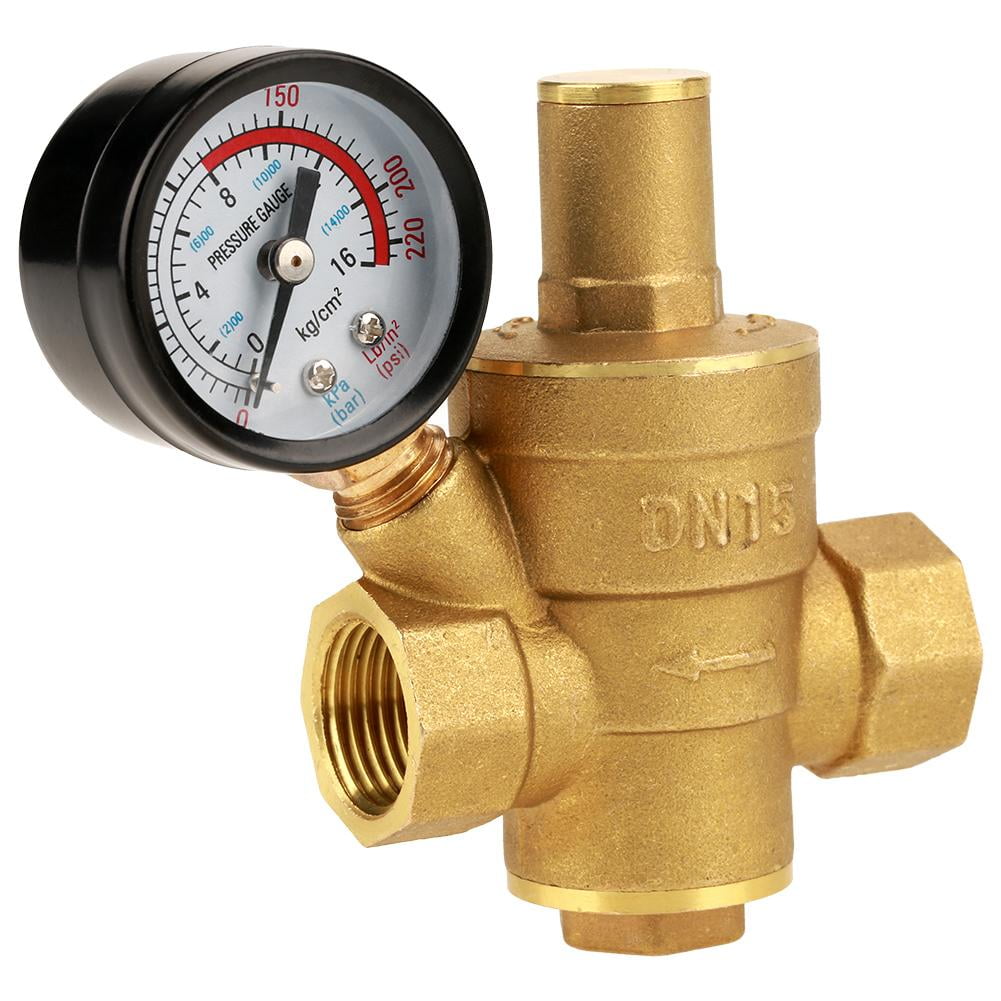
You can adjust the pressure of your water easily with a pressure-reducing valve , which regulates the pressure coming into your home. If you’re not sure how high or low your water pressure is, test it first with a water pressure gauge, which you should be able to pick up at most hardware stores for about $15. The regulator will have a screw or bolt and a locking nut system. Adjusting the pressure at the PRV should be enough to increase the water pressure coming to your house. If the pressure reducing valve if faulty then the pressure to your house will either be too low or too high.
This article will help you learn how to adjust water pressure in your home, so that you can use your water as you need to. Once the pressure is where you want it, secure the lock nut on the regulator using a wrench to ensure the adjustment screw does not move. You really don’t need to pay a plumber to do this for you. There is a shut off valve where the city’s water enters your property, operated by a gate valve or ball valve.

For more information on noisy water pipes check out this post. A water hammer occurs when a faucet is turned on off all of sudden, causing the water flowing in it to change direction suddenly as well. For residential homes, optimal water pressure is usually between 40 to 50 psi. If yours is above 50, you can lower it; if it’s below 50, you can raise it.
If you’re having trouble with your home water pressure, there are a few things you can do to adjust it. Next, thread a pressure-reducing valve onto the main line, making sure that it’s facing in the right direction . Tighten it down with two wrenches, one on each side of the valve.



No comments:
Post a Comment